It is the question every first-time visitor asks before booking: should you see Niagara Falls from the United States or from Canada? Both sides look out over the same roaring water, but the experience, the logistics, and the cost can be very different. If you are planning a day trip from New York City or flying into Buffalo, the answer is often simpler than the internet makes it sound. Here is an honest, side-by-side comparison so you can choose with confidence.
The Basics: One Waterfall, Two Countries
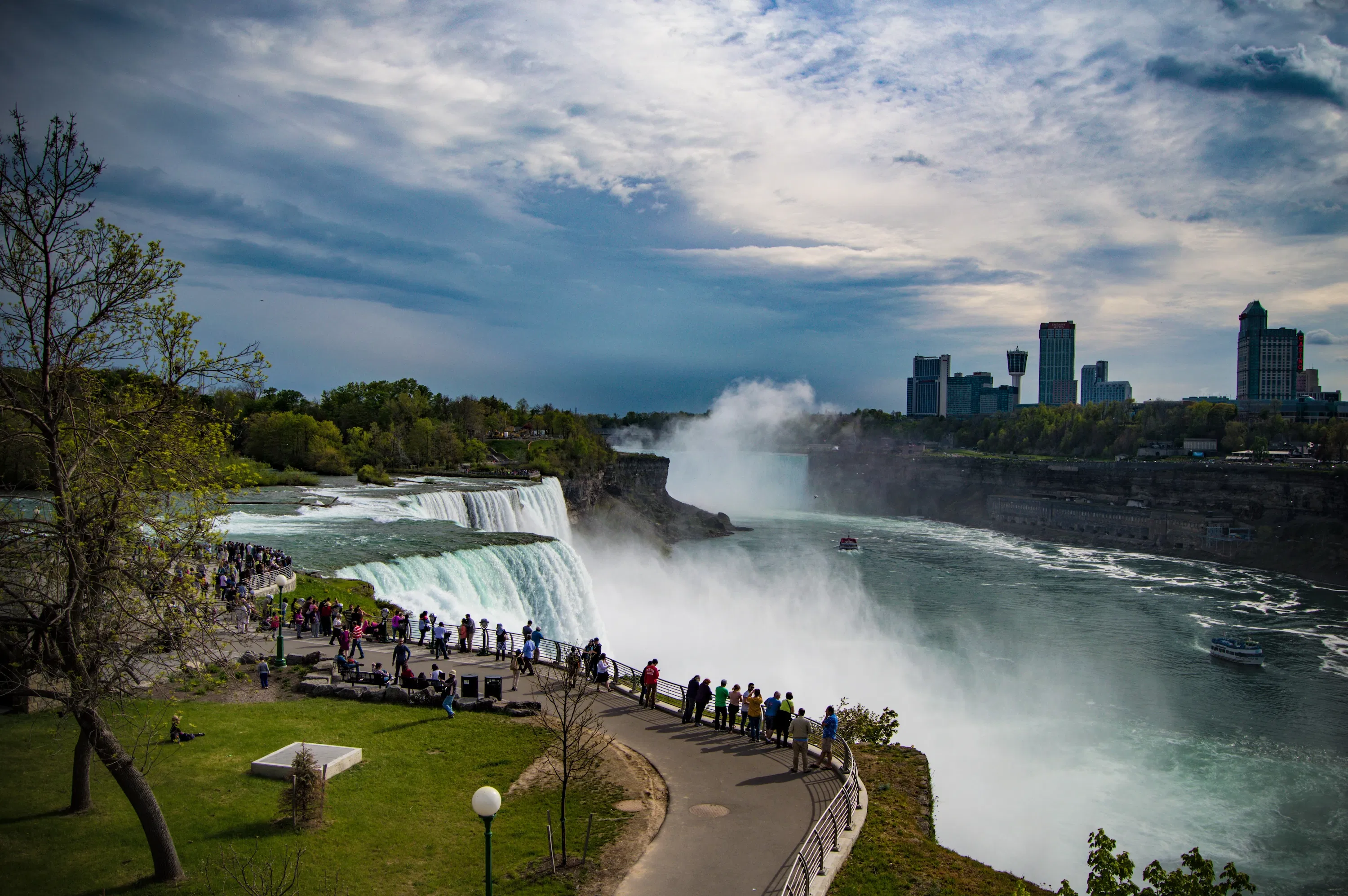
Niagara Falls is actually three waterfalls. The American Falls and the smaller Bridal Veil Falls sit on the U.S. shore, while the larger, crescent-shaped Horseshoe Falls straddles the international border, with most of its width on the Canadian side. The Niagara River forms the boundary between New York State and the Province of Ontario, and the Rainbow Bridge connects the two downtown areas for pedestrians and vehicles.
Because the two countries share the same gorge, you are never looking at a different waterfall, only a different angle. That single fact changes how you should think about the comparison: it is less about which view is better and more about which experience fits your trip.
Views: What Each Side Actually Gives You
The Canadian side is famous for its panorama. From the Ontario promenade you face the American Falls head-on and look across the full sweep of Horseshoe Falls, which is why so many postcard photos are taken there. If your only goal is a wide, distant skyline shot of all three falls together, Canada has the edge.
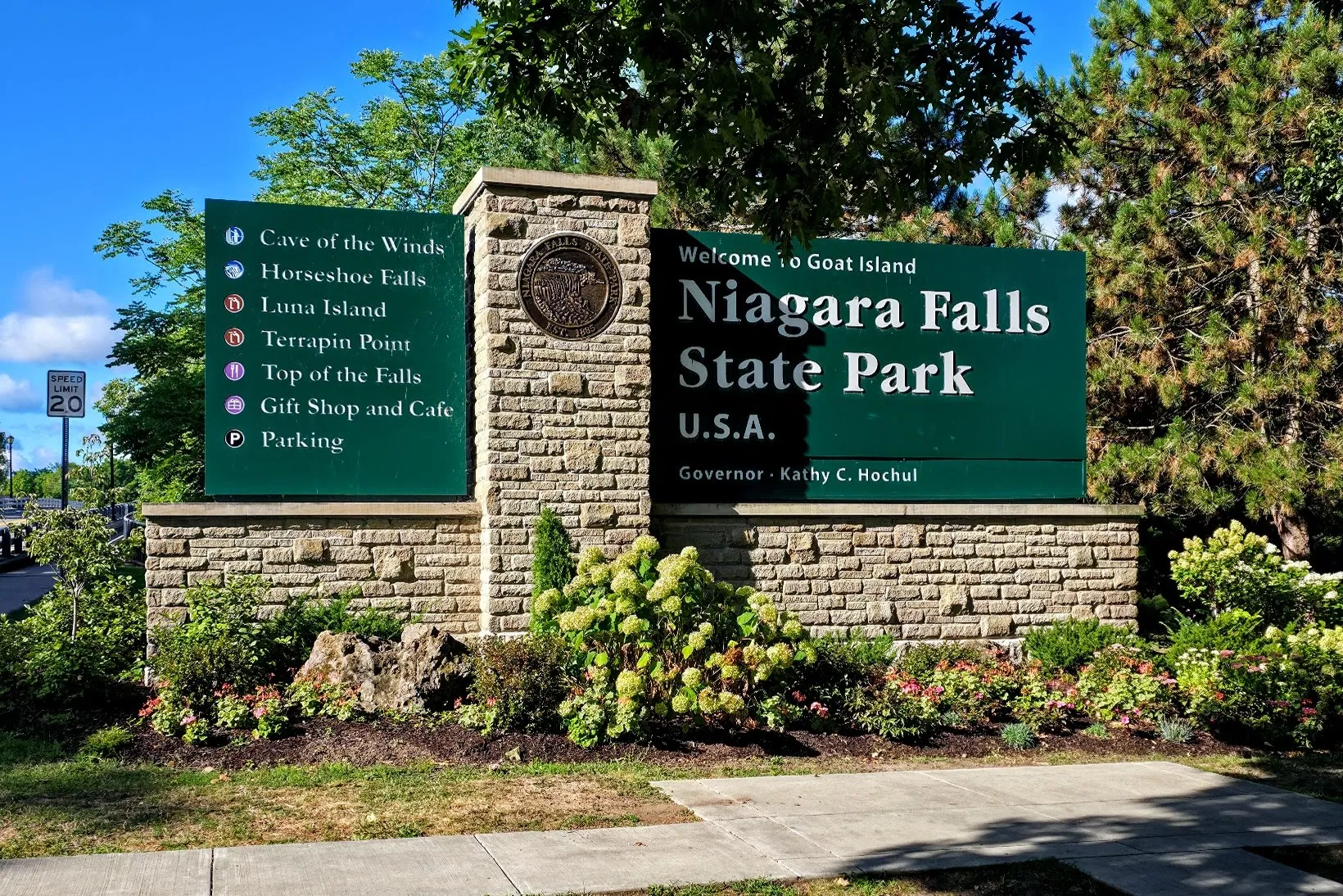
The U.S. side trades the panorama for intimacy. Within Niagara Falls State Park, the oldest state park in the country, paved paths bring you right to the brink of the American Falls and out onto Goat Island, where you stand mere feet from the rushing water before it drops. Attractions like the Maid of the Mist boat and the Cave of the Winds wooden walkways put you closer to the spray and the thunder than any viewpoint across the river. For raw, sensory immersion, the American side wins.
The State Park Advantage
One of the biggest differences is the setting. On the U.S. shore, the falls are framed by Niagara Falls State Park: green walking trails, viewpoints, Goat Island, and the islands of the upper rapids, all designed in the 19th century by landscape architect Frederick Law Olmsted. Walking into the park feels like entering a natural sanctuary, and many of its viewpoints are free to access on foot.
The Canadian side, by contrast, is a bustling resort city. The views are spectacular, but they come packaged with casinos, high-rise hotels, wax museums, and a carnival-style tourist strip. Some travelers love the energy; others find it distracts from the natural wonder. If you want the falls to feel like nature rather than a theme park, the New York side delivers that mood.
Passports and the Border Reality
Here is the practical catch that surprises a lot of visitors. Crossing into Canada and back is an international border crossing. U.S. citizens need a valid passport or an approved alternative such as a passport card or enhanced driver's license, and travelers from other countries may need a Canadian visa or eTA in addition to their U.S. documents. On busy summer days, the lines at the Rainbow Bridge can eat up a meaningful chunk of your visit.
For a single-day trip, that border friction matters. If you are visiting on a tight schedule, especially as a day excursion, staying on the U.S. side means no passport hassle, no second-country entry rules, and no risk of a long crossing line stranding you on the wrong shore when it is time to head home. A guided experience like the Niagara Falls USA: Guided Tour & Optional Maid of the Mist keeps you entirely on the American side, so you spend your hours at the falls rather than at customs.
Why the USA Side Wins for a Day Trip from NYC or Buffalo
If your trip starts in New York City or Buffalo, the U.S. side is the natural choice. Buffalo Niagara International Airport (BUF) is roughly a 30-minute drive from the falls, making New York the faster and cheaper gateway. You can fly in, transfer over, and be standing at the brink within an hour, with no border to cross in either direction.
The math is even clearer for a fly-in itinerary. The Niagara Falls Day Trip by Air from New York City (from $689) turns the trip into a single coordinated day, while ground-based options like a guided sightseeing tour (from $79) keep costs down. For deeper logistics on getting there, see our guide on how to get to Niagara Falls from NYC. Arriving through Buffalo? A shared airport transfer (from $39) connects BUF to the falls without a rental car.
When the Canadian Side Makes Sense
To be fair, Canada is the right call in a few situations. If you are staying overnight and want a hotel room with a falls-facing balcony, the high-rise hotels in Ontario offer views the U.S. side cannot match. If your main goal is that classic wide-angle photograph of all three falls, or if you are already planning a longer Canadian itinerary, crossing over is worthwhile, especially since the U.S. attractions and many Canadian viewpoints can be combined over two days.
But for the most common scenario, a first-time visitor on a day trip from New York or Buffalo, the U.S. side offers closer views, the beauty of the state park, no passport headache, and easier access. You can always cross the Rainbow Bridge on foot for an hour to grab the panorama, then return to the American shore for the immersive boat ride and walkways.
Make the Most of Either Choice
Whichever side you pick, the falls reward a little planning. Wear waterproof layers if you are getting near the water, plan around the seasons, and book your boat or walkway tickets ahead in peak summer. Travelers who time their visit for after dark can also catch the colored lights on the falls, an experience captured well in the Niagara Falls Night Illumination Tour with Maid of the Mist (from $109). If you are weighing the on-the-water options, our breakdown of Cave of the Winds vs. Maid of the Mist will help you decide which thrill to prioritize. Either way, the goal is the same: less time in lines, more time watching six million cubic feet of water go over the edge every minute.
Frequently asked questions
Which side of Niagara Falls has better views?+
Do I need a passport to see Niagara Falls?+
Is the US side or Canadian side better for a day trip?+
Can you see both sides of Niagara Falls in one day?+
How far is Niagara Falls from Buffalo airport?+
See Niagara Falls your way
Day trips from NYC, night illumination tours, the Maid of the Mist boat ride, jetboat rapids, and airport transfers — all bookable in one place with instant confirmation.
Browse all Niagara Falls tours →