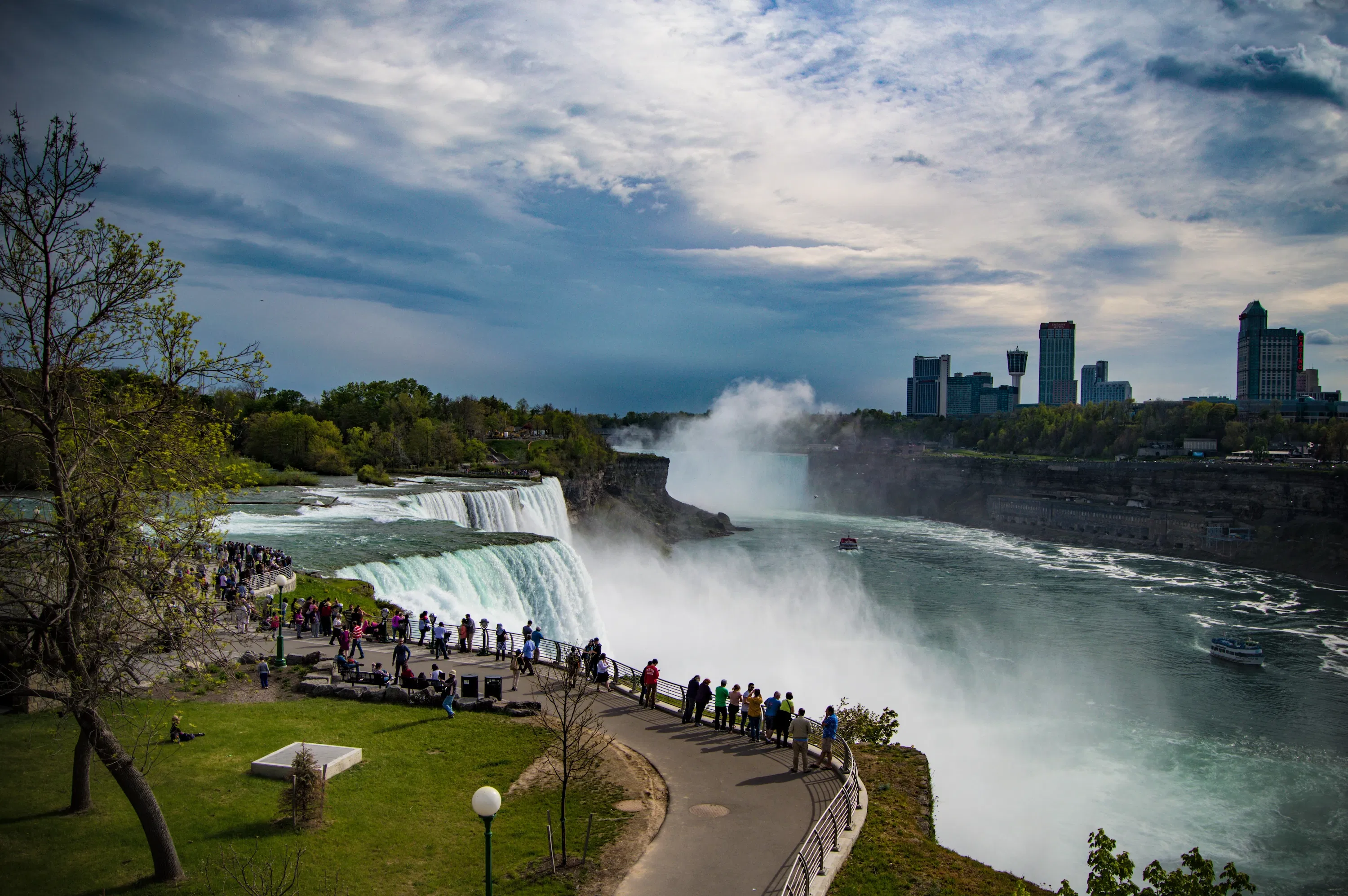
Most people come to this corner of New York for one reason: to stand at the rail, feel the mist on their faces, and watch six million cubic feet of water pour over the edge every minute. But once you've checked the falls off your list, a question almost always follows. Should you spend the rest of your time chasing more of that raw, roaring power, or trade it for the slower, story-rich riverfront where the Niagara River meets Lake Ontario?
It's a genuinely good problem to have. The falls and the lower river are only about 20 minutes apart by car, yet they feel like two different worlds. This guide breaks down what each side of that choice actually offers, who it suits, and how to combine them so you don't have to pick just one.
The case for staying at the falls
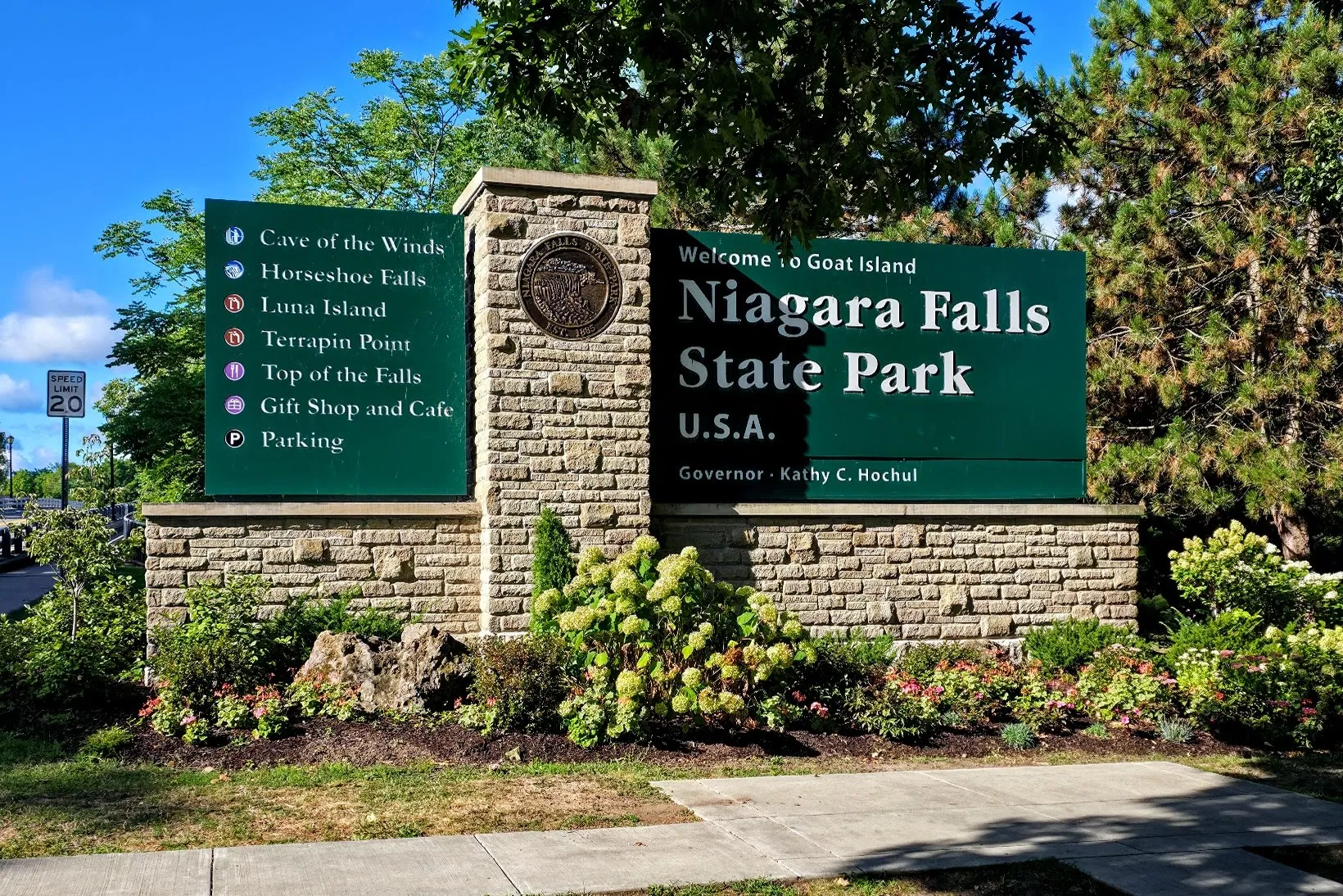
The falls are the falls for a reason. No photo prepares you for the scale, the sound, or the constant rainbow hovering in the spray on a sunny afternoon. If this is your first visit, give the headliner the time it deserves. Walk the promenade along Niagara Falls State Park, cross over to Goat Island to stand between the American and Horseshoe falls, and get down to the water on a boat.
A guided walk is the easiest way to see the highlights without missing anything. Our Niagara Falls USA guided tour covers the best viewpoints on the American side, with an optional ride on the legendary boat that goes right into the base of Horseshoe Falls. If you'd rather add a jolt of adrenaline, the whirlpool jetboat add-on takes you downriver into the Class V rapids. And if you can stay into the evening, the night illumination tour shows the cataracts lit in shifting color, which is a completely different experience from daytime.
The case for the lower river and fort country
Head north along the Niagara River toward Lake Ontario and the landscape softens. The gorge widens, the water calms, and you reach the historic riverfront where the river finally empties into the lake. This is fort country, anchored by Old Fort Niagara, a remarkably preserved 18th-century stronghold that flew French, British, and American flags as three nations fought for control of the Great Lakes.
Standing on the fort's ramparts, you get a sweeping view across the river mouth and out over Lake Ontario, the only place where you can see how the whole Niagara story fits together, from cataract to lake. It's quieter, more contemplative, and far less crowded than the falls themselves. History buffs, families with curious kids, and anyone craving a break from the crowds will love it. You can visit on a focused Old Fort Niagara tour or read our Old Fort Niagara visitor guide before you go.
Why not both? The combo that wins
Here's the honest answer for most travelers: you don't have to choose. The two sights pair beautifully in a single day because they're so close and so different in pace. Mornings at the falls tend to be less crowded, so do the boat ride and viewpoints early, then drive north for an unhurried afternoon at the fort when the falls overlooks are at their busiest.
Our Niagara Falls and Old Fort Niagara combo is built around exactly this rhythm, handling transport and timing so you get the thunder and the history in one well-paced day. It's the option we recommend most often for visitors who have a full day and want the complete picture of the region rather than just the postcard shot.
A note on Niagara-on-the-Lake (the Canadian town)
Travelers often confuse fort country with Niagara-on-the-Lake, the charming Victorian town across the river in Ontario, Canada. They're geographic neighbors but separated by an international border. Visiting the Canadian town means a passport, a border crossing, and a different country's currency and rules, which can eat up hours of a tight schedule.
The good news is that the American riverfront around Old Fort Niagara delivers much of the same appeal, lakefront views, deep history, and a peaceful small-town feel, without leaving the U.S. side. If your trip is short or you're coming from out of state, staying stateside keeps the day simple. For a deeper look at the two-country question, see our guide on the U.S. side versus the Canadian side.
How to fit it into your trip
If you're arriving by air, most visitors land at Buffalo Niagara International Airport, about a 30-minute drive away. A shared airport transfer is the budget-friendly way in, while a private transfer suits families and groups who want door-to-door ease. Coming from farther afield? Our day trip by air from New York City compresses the whole experience into a single unforgettable day.
Once you're on the ground, let your available time decide. A half day means the falls only. A full day unlocks the falls-plus-fort combo. Two days lets you slow down, add the night illumination show, linger at the fort, and maybe even cross into Canada. For a ready-made plan, our one day in Niagara Falls itinerary maps out the timing hour by hour.
The bottom line
Choose the falls if you want pure spectacle and only have a few hours. Choose fort country if you crave history, lake views, and breathing room. Choose both if you have a full day, because together they tell the complete Niagara story in a way neither does alone. Planning for a crowd? Our group tour options make it easy to keep everyone together and on schedule from the first viewpoint to the last rampart.
Frequently asked questions
Is Niagara-on-the-Lake the same as Old Fort Niagara?+
How far is Old Fort Niagara from the falls?+
Can I see both the falls and the fort in one day?+
Do I need a passport to visit fort country on the U.S. side?+
Which is better for families with kids?+
Book These Tours
See Niagara Falls your way
Day trips from NYC, night illumination tours, the Maid of the Mist boat ride, jetboat rapids, and airport transfers — all bookable in one place with instant confirmation.
Browse all Niagara Falls tours →